
There is a specific kind of silence you only find in the high altitudes of northern Pakistan. It’s not just the absence of noise; it’s the presence of something massive the hum of the wind hitting the granite faces of the Karakoram and the distant, rhythmic crack of a shifting glacier.
If you are planning to head up here, this Gilgit Baltistan Tourism Guide is designed for those who aren’t just looking for a vacation, but a total reset in 2026. Whether you’re a solo backpacker chasing the first light of sunrise over a 7,000-meter peak or a family seeking a luxury retreat away from the city heat, consider this your boots-on-the-ground companion. I’ve cut out the fluff and the robotic lists to give you the real deal on how to navigate the most beautiful place on Earth.
The Essential Gilgit Baltistan Tourism Guide: Navigating the North in 2026
The Landscape of Travel in 2026
A few years ago, traveling to Gilgit Baltistan (GB) was a test of endurance. Today, it’s a test of how much beauty you can handle. The roads are better, the flights are more frequent, and the internet once a myth is now remarkably reliable in the main hubs.
But the soul of the place remains unchanged. The people of GB still greet you with a warmth that makes you feel like a returning relative rather than a tourist.
1. Getting There: The Journey is the Destination
How you choose to enter the north sets the tone for your entire trip. In 2026, you have two primary veins into the heart of the mountains.
By Air: The “Sighting” Flight
Flying from Islamabad to Gilgit or Skardu is widely considered one of the most scenic flight paths in the world.
- The Reality: It’s roughly 45–60 minutes of pure awe. On a clear day, the pilot will point out Nanga Parbat and K2.
- Pro Tip: In 2026, PIA and several private carriers have increased frequency. However, these flights are still weather-dependent. If the clouds roll in, the flight is cancelled. Always have a “Plan B” (road travel) or a buffer day in your itinerary.
By Road: The Karakoram Highway (KKH)
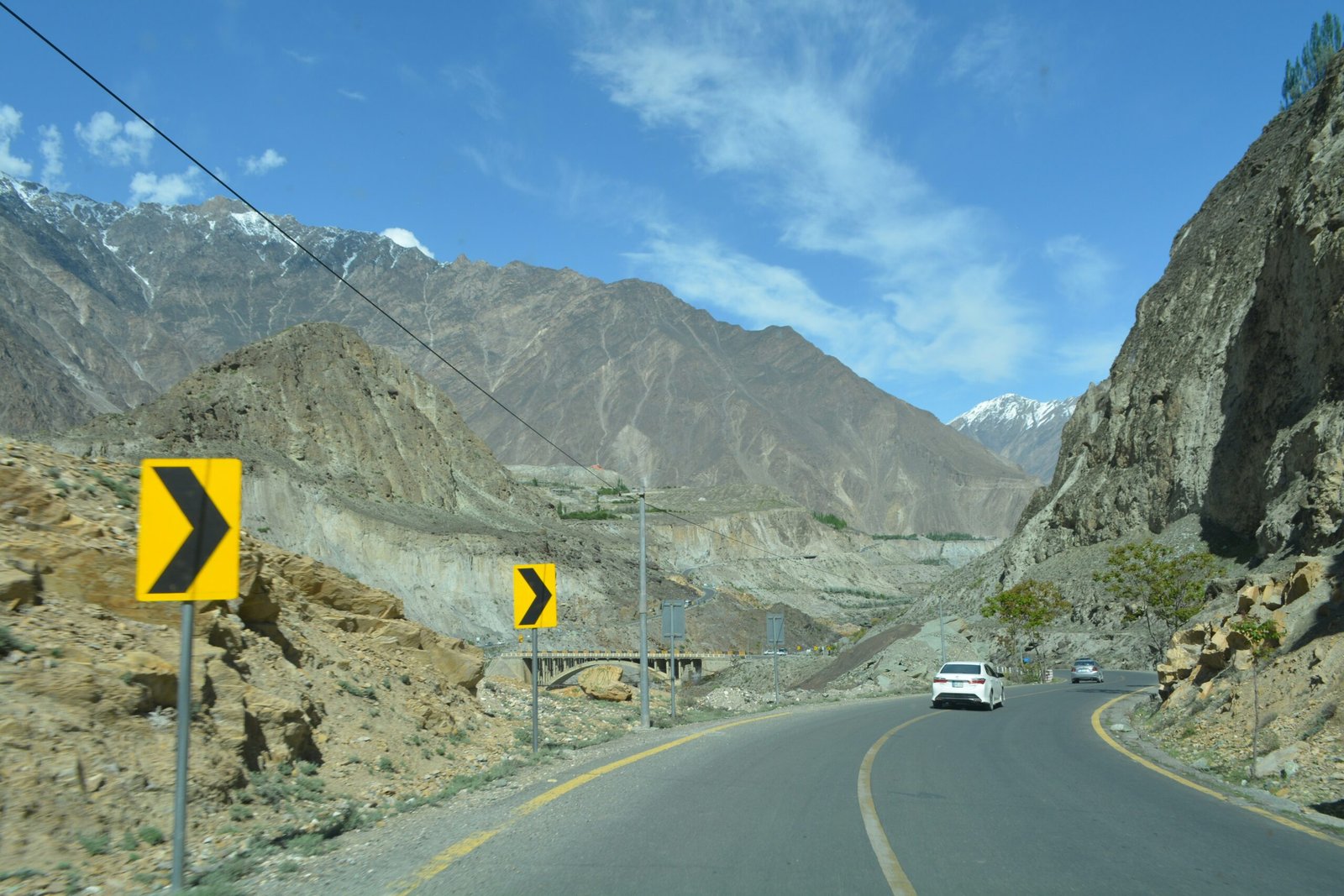
Driving the KKH is a rite of passage. It is the highest paved international road in the world, and honestly, every traveler should do it at least once.
- The Route: Most people take the Hazara Motorway through Abbottabad and Mansehra, then join the KKH.
- The 2026 Update: The road conditions from Besham to Chilas have seen significant improvements, cutting down travel time. It’s now a manageable 14–16 hour drive from Islamabad to Gilgit if you push through, though stopping in Besharm or Naran (via Babusar Top in summer) is much kinder on your back.
2. Transport & Moving Around: Finding Your Wheels
Once you land in Gilgit or Skardu, you need a way to move. The days of relying solely on rusty old jeeps are over though they still have their place.
Rental Cars & Private Jeeps
For most of the Hunza and Skardu valleys, a standard car (like a Corolla or BR-V) works perfectly fine.
- When to hire a 4×4: If you are heading to Deosai Plains, Fairy Meadows, or Naltar Valley, don’t even try it in a sedan. You need a high-clearance 4×4.
- Cost Factor: In 2026, daily rates for a Prado or a Land Cruiser with a driver range between 12,000 to 18,000 PKR depending on fuel and terrain.
Public & Luxury Buses
For the budget-conscious or the slow traveler, NATCO (Northern Areas Transport Corporation) and Faisal Movers offer luxury bus services from Islamabad. They are surprisingly comfortable, with reclining seats and air conditioning. It’s a great way to see the landscape without the stress of driving.
3. Where to Stay: From Forts to Glass Suites
The “Hotel” scene in GB has exploded. You can now find everything from $20 guesthouses to $500-a-night luxury resorts.
The Luxury Tier
- Shangrila Resort (Skardu): The “Heart-Shaped Lake” remains an icon. It’s classic, peaceful, and perfect for families.
- Serena Hotels (Gilgit, Hunza, Shigar, Khaplu): If you want heritage, stay at the Serena forts. Shigar and Khaplu are actual restored palaces. It’s the closest you’ll get to living like a 17th-century King.
- Luxus Hunza: Best for those who want that “floating on water” feeling at Attabad Lake.
If you have any doubt about your stay in gilgit baltistan Read more about best Place to Stay Hotels in Gilgit Baltistan .
Boutique & Mid-Range
- Eagle’s Nest (Hunza): Still the best place for a 360-degree sunset view.
- Himmel Skardu: A newer player offering modern, clean lines and incredible views of the Indus.
4. Must-Visit Spots: The 2026 Hit List
You can’t see everything in one trip. Here is where you should focus your energy:
Hunza Valley: The Crown Jewel
Hunza is the most “tourist-ready” valley. Visit Altit and Baltit Forts, walk through the ancient streets of Karimabad, and definitely spend an afternoon at Passu Cones. The view of those jagged peaks from the KKH is something you will never forget. Read more about Best Hotels in Hunza .
Skardu & Baltistan: The Gateway to Giants
Skardu feels more rugged and vast. Highlights include:
- Cold Desert (Sarfaranga): Yes, a sand desert surrounded by snow-capped mountains. It’s surreal.
- Manthoka Waterfall: A great spot for a picnic.
- Deosai National Park: The “Land of Giants.” In summer, it’s a carpet of wildflowers.
Astore & Fairy Meadows
If you have the legs for it, the hike to Fairy Meadows is non-negotiable. Sitting in a wooden hut at night, watching the moon reflect off the “Killer Mountain” (Nanga Parbat), is the highlight of most people’s lives.
5. Practical Logistics: Money, SIM Cards, and Food
The Internet Situation
Don’t rely on your regular city SIM cards. SCOM is the king of the north. You can get a SIM card in Gilgit or Skardu with your CNIC or Passport. In 2026, most major hotels also provide Wi-Fi, but having an SCOM backup is a lifesaver for navigation.
Money & ATMs
Gilgit, Skardu, and Karimabad have reliable ATMs (look for Alfalah or NBP). However, if you are heading into smaller villages, cash is essential. Smaller shops and local guides rarely have card machines.
What to Eat?
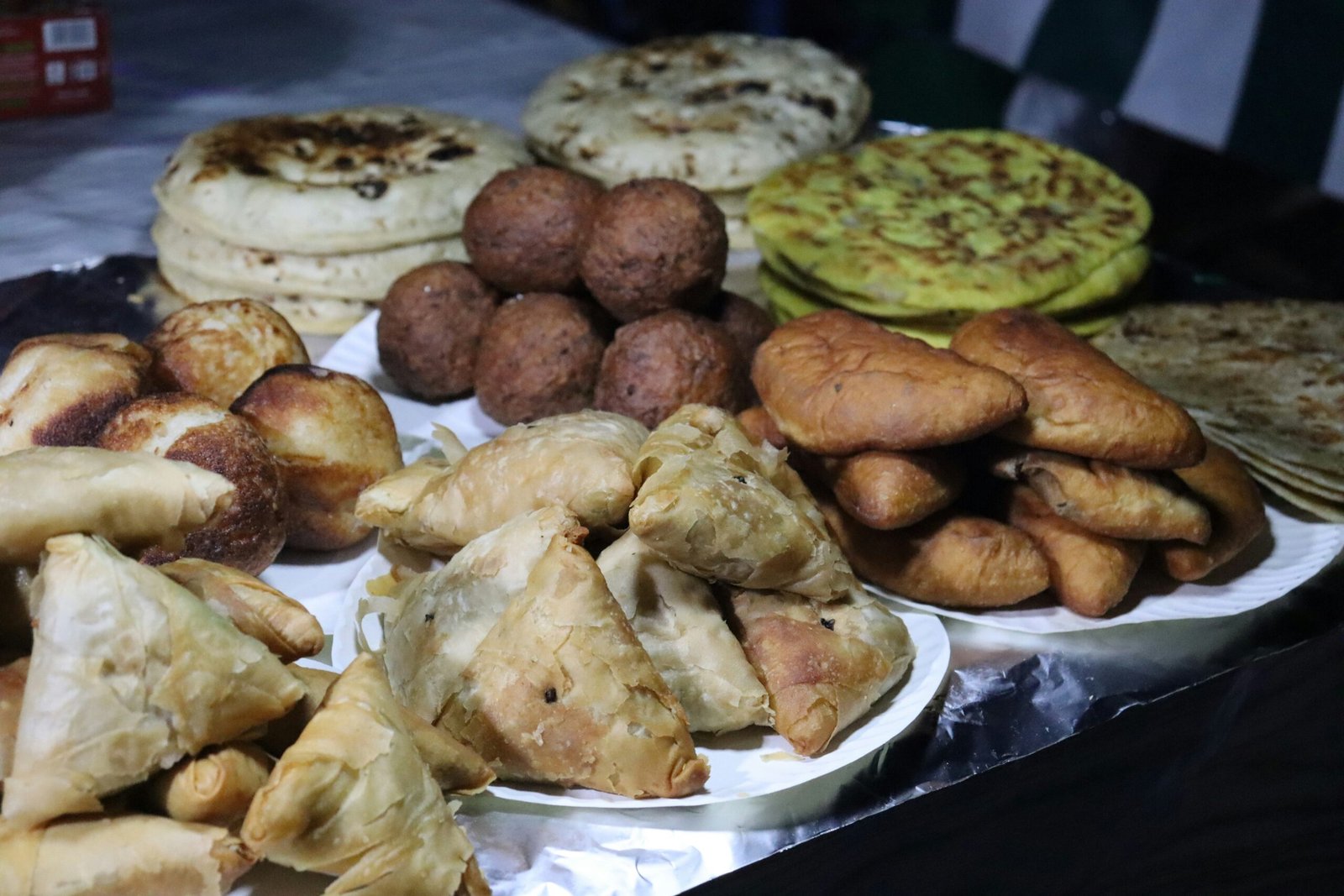
Please, step away from the chicken karahi for one night and try the local food:
- Mamtu: Steamed dumplings filled with spiced meat.
- Chapshuro: Often called the “Hunza Pizza.” It’s a meat-filled crust cooked over a flat stone.
- Apricot Soup: It sounds strange, but on a cold night, it’s like a hug for your stomach.
6. The Ethics of Travel: Keep it Green
GB is beautiful because it’s clean. Let’s keep it that way.
- Plastic: Carry a reusable bottle. Many hotels now have large mineral water dispensers.
- Culture: The people are conservative but incredibly kind. Dress modestly, ask before taking photos of people, and always say “Joo” (a respectful ‘yes/hello’ in Hunza) to get a smile.
Frequently Asked Questions (FAQs)
Is Gilgit-Baltistan safe for solo female travelers?
Yes. In fact, many solo female travelers find GB to be the safest part of Pakistan. The local community is very protective of guests. Just use the same common sense you would use anywhere else in the world.
What is the best month to visit?
- May to June: Perfect weather, everything is green.
- July to August: Hotter, but the high passes (like Babusar and Deosai) are open.
- October: The “Golden Season.” The trees turn orange and red. It’s the best time for photography.
Do I need a permit for Gilgit-Baltistan?
For most tourist areas like Hunza and Skardu, no special permit is needed for Pakistanis or foreigners. However, if you are trekking near “restricted” border zones (like K2 Base Camp), you will need a specific NOC/Permit arranged through a registered travel agency.
What should I pack?
Layers! Even in summer, the wind can be biting. Pack a windbreaker, a good pair of hiking shoes, sunblock (the high-altitude sun is intense), and your basic medicines.
How do I book everything in one place?
Planning a mountain trip can be messy. Using a local platform like GBBooking.com simplifies everything. We connect you directly with the best hotels and transport providers in the region, ensuring you get “local” prices rather than “tourist” prices.
Conclusion
They say that once you visit Gilgit Baltistan, a piece of your soul stays behind in the mountains. Whether it’s the reflection of the peaks in a still lake or the taste of a fresh apricot picked from a tree, the North has a way of getting under your skin.
In 2026, the mountains are more accessible than ever, but they haven’t lost their magic. Pack your bags, leave your stress behind, and come see what it feels like to stand at the edge of the world.
Ready to start your adventure? Let GBBooking.com handle the details while you focus on the views.